
When travelers dream of trekking in Nepal, they often imagine the Everest or Annapurna regions. These names shine brightly on the map of global trekking, attracting thousands every year. Yet, tucked away just a day’s drive from Kathmandu lies a quieter but equally stunning trail—the Langtang Valley Trek. Known as the "Valley of Glaciers," this trek combines breathtaking Himalayan scenery, warm local hospitality, and cultural richness that makes every step memorable.
In this detailed guide for 2025, you will find everything you need to plan your journey, itinerary, best time to visit, permits, budget, accommodation, safety tips, cultural highlights, and how it compares to Nepal’s other famous treks. Whether you are a first-time visitor to Nepal or an experienced trekker looking for something unique, the Langtang Valley promises an adventure that stays close to your heart.
Introduction to the Langtang Valley Trek
The Langtang Valley lies in north-central Nepal, bordering Tibet. Unlike other trekking regions that require long flights or days of preparation, this valley is easily accessible from Kathmandu within a single day by road. The trek usually takes between seven to ten days, making it an excellent choice for travelers with limited time who still want to experience the Himalayas up close.
The Langtang region is home to Langtang National Park, Nepal’s first Himalayan national park, established in 1976. The area is rich in biodiversity, with red pandas, Himalayan tahr, musk deer, and numerous bird species calling the forests home. The towering Langtang Lirung (7,227 meters) dominates the skyline, while glacial rivers, alpine meadows, and yak pastures add layers of beauty to the trail.
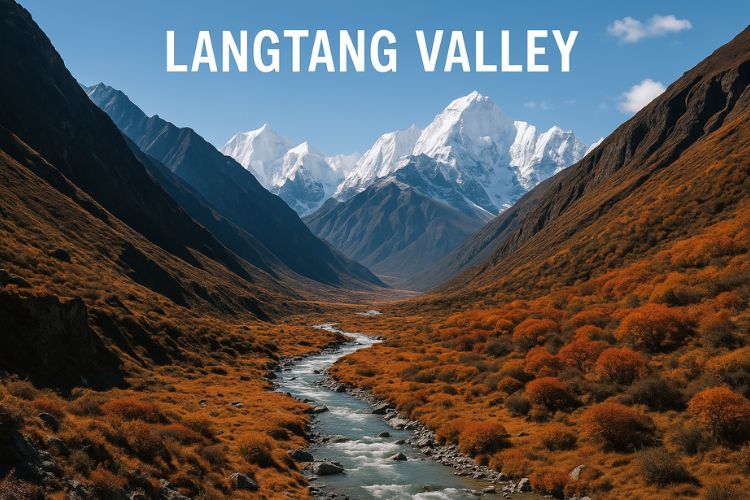
Unlike the busy routes of Everest and Annapurna, Langtang offers a quieter environment where trekkers can connect not just with nature, but also with the culture of the Tamang and Tibetan communities who live here.
Why Choose the Langtang Valley Trek in 2025?
The Langtang Valley Trek is one of Nepal’s most rewarding short treks. Unlike the Everest Base Camp or Annapurna Circuit, it doesn’t require long flights or weeks of trekking. Instead, it’s easily accessible by road from Kathmandu, making it perfect for those who want to experience the Himalayas without rushing or overspending.
Here’s why this trek stands out:
- Close to Kathmandu – Only 7–8 hours by road to the starting point.
- Short duration – Typically 7 to 10 days, manageable for travelers with limited time.
- Rich culture – Experience the Tamang people’s traditions and Tibetan Buddhist lifestyle.
- Stunning scenery – Majestic mountains like Langtang Lirung, glaciers, yak pastures, and rhododendron forests.
- Less crowded – Offers peace and authenticity compared to the busier Everest and Annapurna trails.
Best Time to Trek the Langtang Valley
Choosing the right season can make or break your trekking experience. In the Langtang region, spring and autumn are the most popular seasons.
Spring, from March to May, is famous for rhododendron blooms that light up the hillsides in vibrant colors. The weather is generally warm at lower elevations, and skies are clear enough for excellent mountain views.
Autumn, from September to November, follows the summer monsoon. The rains wash the air clean, leaving behind crisp blue skies and spectacular panoramas. The temperatures are comfortable during the day, though evenings can be chilly.
Winter brings snow to the higher altitudes, making the landscape magical but also more challenging. While possible, trekking in winter requires warm clothing and readiness for icy trails. The monsoon season, from June to August, is the least favorable, as heavy rainfall often causes landslides and poor visibility.
For 2025, the recommended months are March to May and September to November, when the Langtang Valley is at its most beautiful and trails are safest.
Trek Difficulty and Preparation
The Langtang Valley Trek is considered moderate. Most trekkers with basic fitness and determination can complete it. The daily walking time is usually five to seven hours, with gradual ascents and descents.
The highest point of the trek is often Kyanjin Ri at 4,773 meters, or sometimes Tserko Ri at 4,984 meters, both of which offer breathtaking views of Langtang Lirung and surrounding peaks. Although the trek does not involve technical climbing, altitude can be a challenge. Spending an extra day in Kyanjin Gompa for acclimatization helps reduce the risk of altitude sickness.
Preparation should include cardio exercises like hiking, running, or cycling, along with leg strengthening workouts. Carrying a backpack of 8–10 kilograms during training can also help prepare your body for the trail.
Suggested Itinerary for Langtang Valley Trek (7–10 Days)
Here is a commonly followed itinerary:
Day 1: Arrival in Kathmandu
Land at Tribhuvan International Airport and get transferred to your hotel in Kathmandu.
Day 2: Drive to Syabrubesi (1,420 m)
Travel for about seven to eight hours by bus through scenic hills and valleys. Reach the trailhead town of Syabrubesi and rest for the night.
Day 3: Trek to Lama Hotel (2,340 m)
Begin trekking early, passing Bamboo and Rimche on a pleasant trail beside the Langtang River. The path ascends steadily to Lama Hotel, where you’ll stay overnight.
Day 4: Onward to Langtang Village (3,480 m)
Hike through subtropical forest transitioning to sub-alpine terrain. Stop at Ghoda Tabela for lunch, then continue up to Langtang Village surrounded by towering Himalayan peaks.
Day 5: Trek to Kyanjin Gompa (3,870 m)
Enjoy a gradual uphill walk as the air thins. Reach Kyanjin Gompa—a serene monastery settlement with stunning glacial views.
Day 6: Explore & Summit (Optional)
Use this day to venture to nearby viewpoints like Tserko Ri (4,984 m) for panoramic vistas. The round trip takes about five hours.
Day 7: Return to Lama Hotel
Descend via the same trail—passing Ghoda Tabela again—and end the day at Lama Hotel.
Day 8: Trek Back to Syabrubesi
Take a slightly different downhill route via Sherpa Gaon, with more incredible views. Reach Syabrubesi for your last night on the trail.
Day 9: Journey Back to Kathmandu
Hop on a bus and return to Kathmandu in around seven hours. Enjoy the countryside one last time en route to the city.
Day 10: Departure
Transfer to the airport according to your flight schedule, marking the end of your trek.
Permits Required for 2025
Two permits are essential for the Langtang Valley Trek:
Langtang National Park Entry Permit – Costs around USD 30. This fee supports conservation efforts and allows you to enter the protected area.
TIMS Card (Trekkers’ Information Management System) – Costs around USD 20. It helps authorities keep track of trekkers for safety reasons.
These permits can be obtained in Kathmandu at the Nepal Tourism Board office or purchased at the trek entry point in Syabrubesi. Carry extra passport-sized photos and a copy of your passport for the application process.
Budget for Langtang Valley Trek (2025)
High Camp Adventure lists the 10-day Langtang Valley Trek package at USD 590 per person. This price includes accommodations, meals, transport, permits, and professional guidance.
Breakdown of Expenses:
Accommodation: Lodging in family-run guesthouses is covered.
Meals: Three meals per day included—typical Nepali and Himalayan dishes.
Guide & Porter: Costs covered, ensuring safety and comfort.
Transport: Private or shared jeep from Kathmandu to Syabrubesi and back.
Gear: Sleeping bags, jackets, and trekking poles can be provided.
Compared to the Everest Base Camp trek (USD ~1,190) and Annapurna Base Camp trek (USD ~490), Langtang strikes a balance—affordable, shorter, and still packed with Himalayan beauty.
Food and Accommodation Experience
Along the route, travelers stay in local lodges or mountain guesthouses run by families. Rooms are simple but comfortable, usually with two beds and warm blankets. Meals are hearty—dal bhat (rice and lentils), noodles, dumplings, soups, and breads made with local grains.
Prices rise slightly with altitude, but packages often include meals, so you don’t have to worry about carrying food.
Cultural Encounters
One of the most beautiful aspects of the Langtang Valley Trek is the cultural interaction with the local Tamang and Tibetan communities. Their villages are decorated with prayer flags, mani walls, and small Buddhist monasteries. Trekkers often hear the sound of prayer wheels turning and monks chanting in the distance.
The 2015 earthquake deeply affected this region, but the resilience of its people is inspiring. Visiting Langtang is not only an adventure but also a way to support local communities rebuilding their lives.
Comparison with Other Popular Treks in Nepal
Many trekkers wonder how the Langtang Valley compares to the Everest base camp trek or the Annapurna base camp trek.
The Everest Base Camp Trek is iconic, taking you to the foot of the world’s highest mountain. However, it requires a domestic flight to Lukla, at least 12–14 days of trekking, and higher expenses. It is busier, more commercialized, and physically more demanding.
The Annapurna Base Camp Trek offers a beautiful mix of culture and scenery, with stunning views of Annapurna I and Machapuchare. It usually takes 10–12 days and is also more crowded than Langtang.
The Langtang Valley Trek, on the other hand, is shorter and easier to access, making it ideal for those who want to experience the Himalayas without committing to a two-week trek. While it may not be as famous as Everest or Annapurna, Langtang offers equally rewarding landscapes and a more intimate cultural experience.
| Feature | Langtang Valley Trek | Everest Base Camp Trek | Annapurna Base Camp Trek |
|---|---|---|---|
| Duration | 7–10 days | 12–14 days | 9–11 days |
| Cost (avg.) | USD 590 | USD 1,190 | USD 490 |
| Accessibility | Drive from Kathmandu | Flight to Lukla + trek | Drive/Fly to Pokhara |
| Difficulty | Moderate | Challenging (higher alt.) | Moderate to tough |
| Scenery | Glaciers, Tamang culture | Everest peaks, Sherpa culture | Annapurna peaks, Gurung culture |
| Crowd level | Less crowded | Very crowded | Busy but manageable |
Packing and Preparation Tips
Packing smartly ensures comfort during the trek. Essentials include sturdy trekking boots, thermal layers, a down jacket, gloves, hats, and a sleeping bag suitable for cold nights. Rain gear, trekking poles, and a refillable water bottle with purification tablets are also important. Many trekkers rent or buy equipment in Kathmandu at affordable prices, reducing the need to bring everything from home.
Safety and Travel Tips
Altitude sickness is the main risk, so take your time ascending and drink plenty of water. Travel insurance that covers helicopter evacuation is strongly recommended. Mobile networks may not work in higher villages, so purchasing a Nepali SIM card before leaving Kathmandu is helpful. Carrying Nepali rupees is essential, as ATMs are not available on the trek.
Final Thoughts
The Langtang Valley Trek is often called Nepal’s best-kept secret. In just a week, trekkers experience glaciers, mountains, wildlife, and warm cultural traditions. Compared to the more famous treks, it is affordable, less crowded, and accessible, yet equally rewarding. For anyone planning a trek in 2025, Langtang is the perfect choice to balance adventure, culture, and nature.
FAQs About Langtang Valley Trek
1. How long does the Langtang Valley Trek take?
Most itineraries take 7–10 days, depending on your pace and whether you include side trips.
2. Do I need a guide for the Langtang Valley Trek?
It is possible to trek independently, but hiring a guide enhances safety, provides cultural insights, and supports local employment.
3. What is the maximum altitude of the trek?
The highest trekking points are Kyanjin Ri (4,773m) and Tserko Ri (4,984m). Most trekkers visit one or both for sunrise views.
4. Is the trek suitable for beginners?
Yes, with basic fitness preparation, beginners can complete the trek. The moderate grade makes it accessible for most travelers.
5. What should I pack for the trek?
Essential items include trekking boots, warm layers, rain gear, a sleeping bag, and a water purification system.
6. Can I combine Langtang with other treks?
Yes, the Langtang Valley Trek can be extended to Gosainkunda Lake or Helambu for a longer adventure.
7. How much does the trek cost in 2025?
On average, budget travelers spend around USD 350–500, while guided treks cost USD 600–900.
8. What kind of food will I get on the trek?
Meals include dal bhat, noodles, momos, fried rice, Tibetan bread, and yak cheese in higher villages.
9. Is there internet on the trail?
Some villages offer Wi-Fi for a small fee, but connections are unreliable. A Nepali SIM card may provide better service.
10. Why should I choose Langtang over other treks?
Langtang is closer to Kathmandu, shorter in duration, more affordable, and culturally rich, making it an excellent choice for trekkers who want a meaningful yet less commercialized experience.